

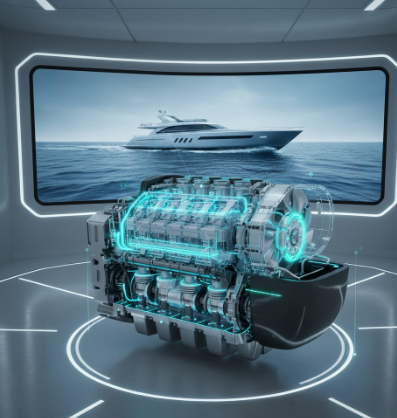
Have you ever wondered why modern boats are going farther on less fuel than ever before? Just like cars have become smarter and more efficient, marine inboard engines in 2026 are entering a new era of innovation. Boat owners today want lower fuel bills, cleaner oceans, and engines that think ahead. The good news? Marine engine technology is delivering all of that and more.
Think of today’s engines like a fitness tracker for your boat, monitoring performance, adjusting in real time, and saving energy where it matters most. In this guide, we’ll explore how marine engine fuel efficiency is being transformed through smart design, digital intelligence, and eco-focused engineering in 2026.
Evolution of Marine Inboard Engines
Over the years the marine inboard engines have come a long way. The engines in the past focused mostly on brute power and completely overlooked how much fuel was burnt and how frequent breakdowns and maintenance would occur on the engines. This was not a problem though as long as the engine got the job done. In border marine 2026 though the engines are being built with more careful fuel consumption and overall more balanced performance. This balance in fuel economy and power result in more economical marine boating. Overall the progress in building these engines shifted the mentality from bigger is better to smarter is better.
Why Fuel Efficiency Matters More Than Ever
Fuel efficiency is no longer just a cost-saving feature; it is a necessity. With stricter environmental regulations and fluctuating fuel prices, inefficient engines can quickly become a financial burden. Improved marine engine fuel efficiency allows boat owners to travel longer distances without constant refueling. It also reduces emissions, helping protect marine ecosystems. Simply put, an efficient engine means more time on the water and less time worrying about fuel expenses.
Marine Engine Technology 2026: What’s New
Marine engine technology 2026 introduces smarter systems that work behind the scenes to optimize performance. These engines are equipped with sensors that monitor temperature, load, speed, and fuel flow in real time. Instead of running at a fixed setting, the engine adapts continuously to conditions. This ensures smoother operation, lower fuel consumption, and reduced wear and tear. Technology has transformed marine engines from mechanical machines into intelligent systems.
Smart Marine Inboard Engines Explained
Smart marine inboard engines use advanced control units that act like a brain for the engine. These systems analyze data and make instant adjustments to fuel delivery and engine timing. If sea conditions change or the boat load increases, the engine responds automatically. This adaptability improves efficiency without requiring manual input from the operator. For everyday boaters, it feels like the engine is working with you, not against you.
Advanced Fuel Injection Systems
One of the biggest breakthroughs in fuel efficiency comes from advanced fuel injection systems. Unlike older engines that injected fuel in bulk, modern systems deliver precise amounts at exactly the right moment. This improves combustion and reduces wasted fuel. As a result, fuel saving marine engines produce more power using less fuel, while also cutting down on harmful emissions and engine noise.
Reducing Marine Diesel Engines Fuel Consumption
Diesel engines are known for durability, but they traditionally consume large amounts of fuel. In 2026, manufacturers have focused on reducing marine diesel engines fuel consumption through refined combustion processes and improved turbocharging. These upgrades allow diesel engines to maintain their strength while operating more efficiently. Boat owners benefit from lower fuel costs without sacrificing reliability or torque.
Lightweight Engine Materials
Engine weight plays a crucial role in fuel efficiency. Heavy engines require more energy to move the vessel, especially during acceleration. Modern marine engine technology 2026 incorporates lightweight materials such as aluminum alloys and advanced composites. These materials reduce overall engine weight while maintaining strength and durability. A lighter engine translates directly into improved fuel efficiency and better handling on the water.
Hybrid and Assisted Power Systems
Hybrid marine engines combine traditional fuel engines with electric assistance. During low-speed cruising or docking, electric power can handle the workload, significantly reducing fuel use. At higher speeds, the fuel engine takes over seamlessly. These systems are becoming increasingly popular as boaters look for practical ways to save fuel without changing their boating habits. Hybrid solutions are a major step forward in eco friendly marine engines.
Eco Friendly Marine Engines and Sustainability
Sustainability is now a core focus of marine engineering. Eco friendly marine engines are designed to minimize their impact on the environment by reducing emissions and improving fuel efficiency. Cleaner exhaust systems and optimized combustion help protect water quality and marine life. These engines allow boat owners to enjoy the water responsibly while meeting modern environmental standards.
Predictive Maintenance Marine Engines
Traditional maintenance relies on fixed service schedules, often leading to unnecessary repairs or unexpected breakdowns. Predictive maintenance marine engines change this approach entirely. Sensors monitor engine health continuously and alert owners before issues become serious. This not only prevents costly damage but also ensures the engine runs at peak efficiency. Well-maintained engines consume less fuel and last longer.
Performance vs Fuel Saving Marine Inboard Engines
A common misconception is that fuel efficiency comes at the cost of performance. In reality, modern fuel saving marine engines are designed to deliver power only when needed. Advanced control systems ensure smooth acceleration and strong performance while minimizing unnecessary fuel use. The result is a balanced engine that performs well without excessive consumption.
Choosing an Advanced Marine Engine for Sale
When searching for an advanced marine engine for sale, buyers should look beyond horsepower. Fuel efficiency ratings, smart features, and long-term maintenance costs are equally important. Investing in a modern engine may cost more upfront, but the savings in fuel and repairs quickly add up. A well-chosen engine enhances both performance and peace of mind.
Why Buy Marine Inboard Engines 2026 from MarineInboardSpecialists
If you plan to buy marine inboard engines 2026 from MarineInboardSpecialists, you gain access to expert advice and the latest engine models. Specialists understand how different engines perform under various conditions and can recommend the best option for your boat. This ensures optimal fuel efficiency, reliability, and long-term satisfaction.
The Future of Marine Fuel Efficiency
The future of marine engines is undeniably smart and sustainable. As technology continues to evolve, engines will become even more efficient, adaptive, and environmentally friendly. Marine engine technology 2026 is just the beginning of a new era where boating becomes cleaner, smarter, and more cost-effective for everyone.
Conclusion
Fuel efficiency innovations are reshaping the boating experience. Marine inboard engines 2026 offer smarter control, lower fuel consumption, and eco-friendly performance without compromising power. From predictive maintenance to hybrid systems, these advancements make boating more affordable and sustainable. Choosing the right engine today means enjoying smoother, longer, and greener journeys tomorrow.
FAQs
1. How do marine inboard engines 2026 improve fuel efficiency?
They use smart control systems, precise fuel injection, lightweight materials, and predictive maintenance to minimize fuel waste.
2. Are smart marine inboard engines suitable for small boats?
Yes, smart technology benefits boats of all sizes by optimizing performance and fuel use.
3. Do eco friendly marine engines require special fuel?
No, most eco friendly engines use standard fuel but burn it more efficiently and cleanly.
4. What is predictive maintenance in marine engines?
It uses sensors and data analysis to detect issues early and maintain optimal engine performance.
5. Is it worth upgrading to a fuel-efficient marine engine in 2026?
Absolutely. Lower fuel costs, improved reliability, and reduced environmental impact make it a smart investment.
