


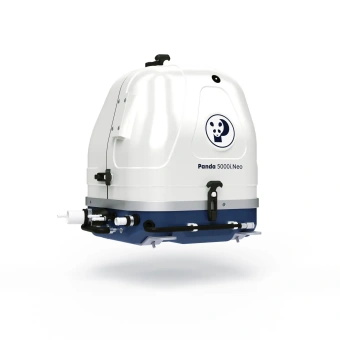
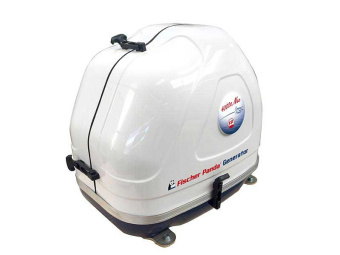
Fischer Panda FPMA5007 – Generator AGT-DC 11000 PMS , KW/kVA 10.9/x, 2300-2900 RPM, 3 Cyl., 660 x 580 x 616


$22,918.00
- Description
- Reviews (0)
Description
Fischer Panda AGT-DC 11000 PMS Marine Generator for Sale – FPMA5007
The Fischer Panda AGT-DC 11000 PMS is a diesel marine generator for direct battery charging and compatible onboard DC power systems. Listed by Marine Inboard Specialists under reference FPMA5007, it is an option for owners and installers planning a battery-based electrical installation or replacing an existing DC generator.
Fischer Panda publishes 10.9 kW continuous output for its AGT-DC 11000-48V PMS, manufacturer article 0030635. This provides a specific technical reference for the model; the output voltage and configuration supplied against FPMA5007 should be identified in your quotation.
Direct DC Charging for Onboard Battery Systems
The AGT-DC range supplies direct current to a compatible battery system. Fischer Panda describes load-dependent engine speed and automatic starting arrangements that allow battery condition to determine when the generator operates. The controls and connections needed for your installation should be established when specifying the package.
For a boat using an inverter, this means the generator supports the DC side while the inverter supplies the required AC voltage and frequency to onboard appliances. Assess the generator, battery bank and inverter together when planning refrigeration, air conditioning, domestic equipment or electric propulsion support.
The catalogue notation “10.9/x kW/kVA” should therefore be presented as a DC power rating. It does not specify a conventional AC kVA output, phase arrangement or 230V socket supply.
Technical Specifications
The figures below describe Fischer Panda’s published AGT-DC 11000-48V PMS reference configuration. Sources are the manufacturer’s model datasheet and the 2026 marine generator brochure.
| Specification | Published reference |
|---|---|
| Product family | Fischer Panda AGT-DC 11000 PMS |
| Marine Inboard Specialists reference | FPMA5007 |
| Manufacturer reference model | AGT-DC 11000-48V PMS |
| Manufacturer article number | 0030635 |
| Generator application | Marine DC battery charging |
| Continuous electrical output | 10.9 kW |
| Nominal DC voltage | 48V for the reference model |
| Engine speed | 2,300–2,900 RPM, brochure reference |
| Fuel | Diesel |
| Engine manufacturer / model | Kubota D902 |
| Cylinder configuration | Three-cylinder |
| Displacement | 898 cm³ |
| Starter system | 12V |
| Control system | fpControl |
| Cooling | Two cooling circuits |
| Sound enclosure | GFK capsule with 3D insulation |
| Approximate capsule dimensions | 660 × 580 × 616 mm, L × W × H, excluding fittings |
| Approximate weight including capsule | 170 kg |
| Published sound level | 54 dB(A) at 7 metres |
| Charging current | Dependent on operating voltage and configuration |
The model datasheet leaves engine speed unspecified; the 2,300–2,900 RPM range comes from the manufacturer’s brochure and matches this listing. Obtain the applicable operating range and installation documents for the actual unit ordered. The reference model’s 12V starter system is separate from its 48V charging output.
Is the AGT-DC 11000 Right for Your Boat?
Use three checks when assessing a marine battery charging generator: match the battery system, match the electrical demand and match the installation.
Match the Battery System
Provide the battery manufacturer, chemistry, nominal voltage, capacity and permitted charging current. Include the battery management system details where fitted, together with the required charging voltage and any manufacturer restrictions.
A nominal 48V bank requires an appropriate charging profile. Lithium compatibility also depends on communication, charge limits and a controlled response when the battery management system requests charging to stop. Have the system designer establish compatibility before selecting the generator build.
Match the Electrical Demand
Provide your inverter make and model, continuous and surge ratings, typical simultaneous loads and estimated daily energy use. State how much charging time you want to allow and whether the generator must support propulsion as well as domestic loads.
A brief high load and a sustained load create different requirements. Battery capacity and inverter surge capability can help accommodate short peaks, while sustained consumption determines whether the system can replenish the bank during operation.
Match the Installation
Compare the mounting arrangement, available space, cable routes, fuel connections, cooling-water installation and exhaust system with the offered unit’s drawings. Include access for servicing and removing the capsule.
For a replacement project, send photographs of the existing generator plate, mounts, hose connections, electrical equipment and surrounding space. Retaining existing components should follow an assessment of their condition and suitability.
What Does 10.9 kW Mean for Battery Charging?
Generator output and net battery charging power are different figures. Equipment operating on the same DC system uses part of the available output.
As an illustrative calculation, if the generator delivers 10.9 kW while connected equipment consumes 2.5 kW, approximately 8.4 kW remains before cable and other system losses. Actual battery charging may be lower because of charge limits, battery temperature, state of charge and the configured operating conditions.
Use the specified charging voltage when assessing current. Dividing by a nominal battery voltage alone does not establish the manufacturer’s guaranteed continuous charging current.
Fischer Panda’s brochure also states that AGT-DC performance must be limited to the published continuous rating when charging batteries. Plan around the 10.9 kW continuous reference, subject to the applicable build and operating conditions.
Controls, Installation Space and Sound Levels
The published reference uses fpControl. When ordering, establish the supplied panel, wiring harness, remote-start functions and interfaces needed for the boat’s energy-management system. Existing monitoring equipment should be checked for compatibility with the offered control version.
The quoted dimensions describe the sound capsule. Allow additional space for fittings, hoses, cables, mountings and maintenance. Fischer Panda provides a reference drawing for article 0030635; your installer should use the drawing applicable to the supplied assembly.
The published 54 dB(A) at 7 metres is a manufacturer reference measurement. Noise experienced aboard also depends on mounting, structural vibration, exhaust arrangement and the generator’s location relative to cabins. Include these factors when discussing installation with your yard.
Generator Package and Scope of Supply
Request an itemized quotation covering the generator assembly, capsule, controls, harness, mounting equipment and any installation accessories offered.
Identify separately the battery bank, inverter, DC protection and isolation, fuel-system components, cooling-water equipment and exhaust parts required for the project. Installation labour and commissioning should also be included when comparing the complete marine generator replacement cost.
For service parts, use the manufacturer article number and generator serial number. FPMA5007 is the listing reference; the unit’s identification establishes the applicable parts and documentation.
Compare Related Fischer Panda DC Generators
For a lower-output reference, explore the Fischer Panda AGT-DC 10000 PMS – FPMA5006. For a larger model, compare the Fischer Panda AGT-DC 13000 PMS – FPMA5008.
Compare the quoted DC voltage, continuous output, charging controls, installation dimensions and package contents. You can also browse our Fischer Panda marine generators to assess other electrical configurations.
Fischer Panda AGT-DC 11000 Price, Delivery and Warranty
Request a Fischer Panda AGT-DC 11000 price for your required configuration and destination. The quotation should identify the manufacturer article number, output voltage, equipment condition, scope of supply, availability, dispatch estimate, freight charges and applicable taxes.
Obtain the warranty terms for the actual unit, including the warrantor, coverage period, territory and any registration or commissioning requirements. Provide the intended operating location and any required emissions or vessel documentation before ordering.
Frequently Asked Questions
Is the Fischer Panda AGT-DC 11000 an AC or DC generator?
It is a DC battery-charging generator. An appropriately specified inverter is required where the boat’s electrical system needs AC power from the battery bank.
What is its continuous output?
Fischer Panda publishes 10.9 kW continuous for the AGT-DC 11000-48V PMS reference model. Match the quoted assembly to its applicable datasheet.
Is FPMA5007 a 48V generator?
The manufacturer reference described here is 48V. The FPMA5007 listing title omits voltage, so obtain written confirmation of the charging voltage supplied.
Can it charge lithium batteries?
Potentially, with an approved system configuration. Battery charge limits, control interfaces and the response to a battery management system shutdown request need assessment.
Will it fit a 660 × 580 × 616 mm space?
Those are approximate capsule dimensions excluding fittings. Additional space is required for connections, mountings, capsule removal and servicing.
Can I reuse my existing batteries and inverter?
They may be reusable if their voltage, condition, ratings and charging requirements suit the proposed installation. Provide their identification details and the existing system layout for assessment.
Request Your Fischer Panda AGT-DC 11000 Quotation
For a Fischer Panda AGT-DC 11000 PMS marine generator for sale, contact Marine Inboard Specialists and quote FPMA5007.
Include your boat details, battery voltage and capacity, battery chemistry, inverter model, expected electrical demand and available installation space. State how soon you want to purchase, your required delivery date, and your billing and delivery addresses. For a replacement, attach photographs of the existing generator plate and installation.



Reviews
There are no reviews yet.